The First Homosexuals: The Birth of a New Identity, 1869-1939
May 2 – Aug 2, 2025
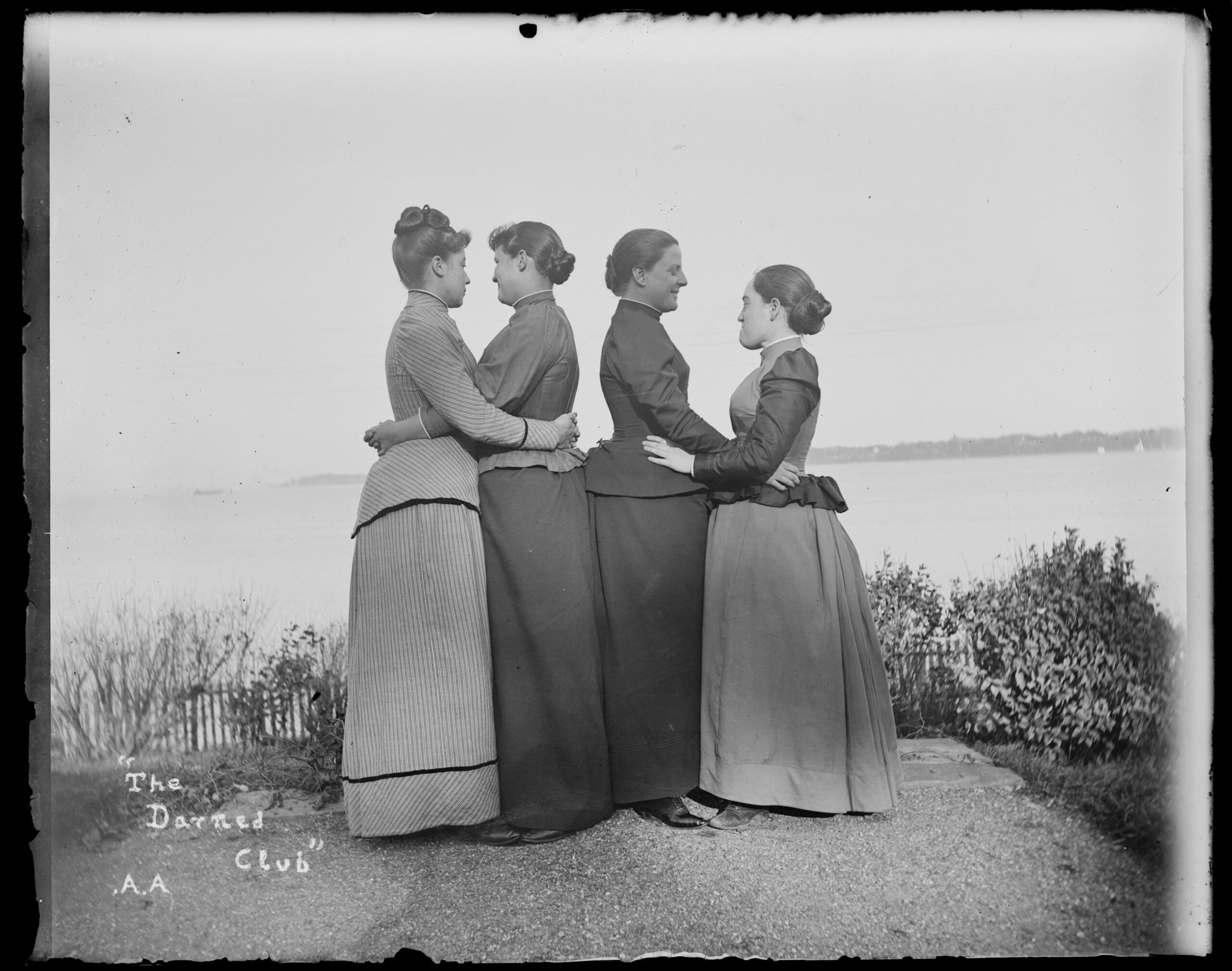
Alice Austen, "The Darned Club," 1891, Original glass plate negative, 4 x 5 in, Collection of Historic Richmond Town.
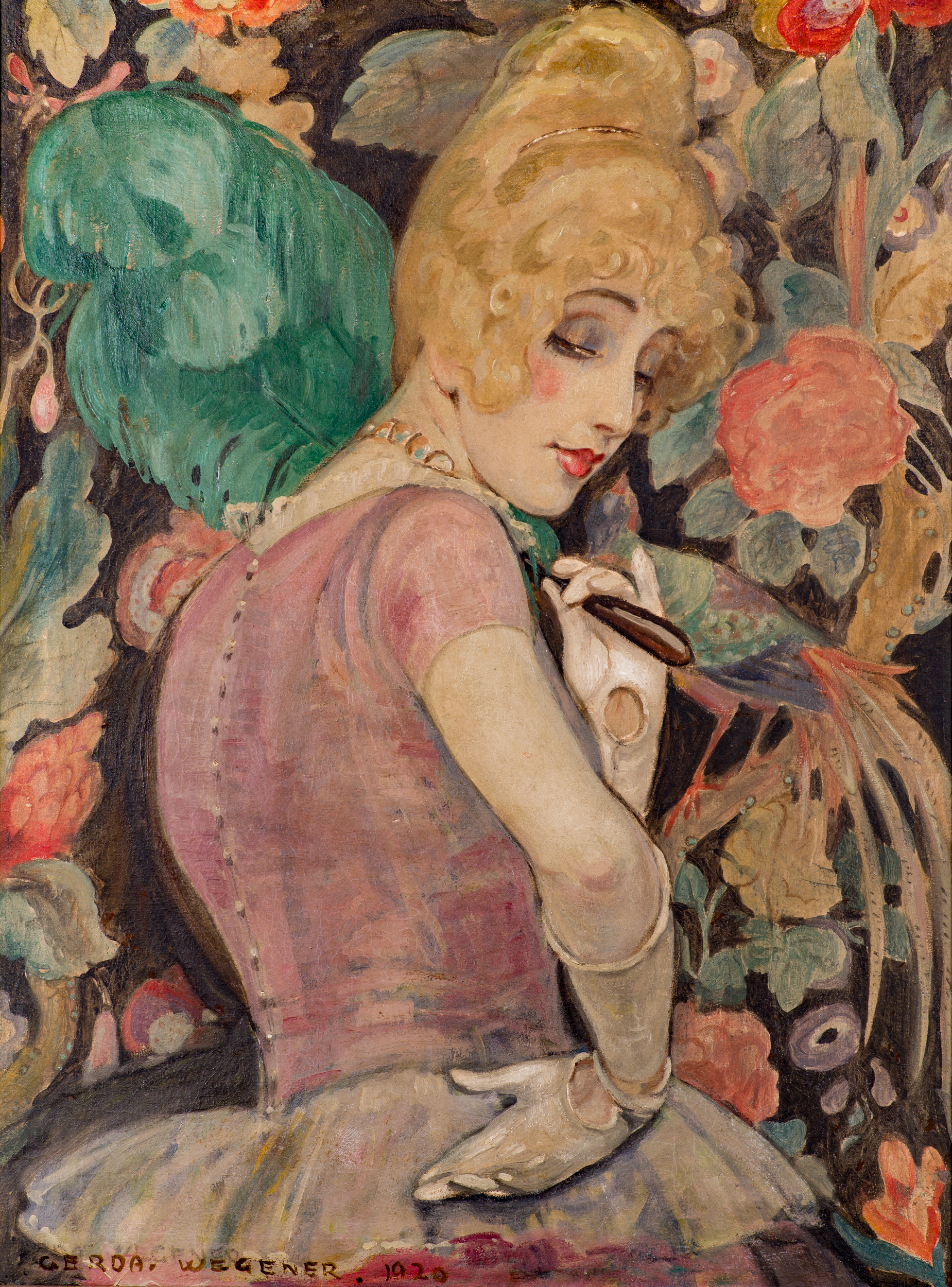
Gerda Wegener, "Lili with a feather fan," 1920, Oil on canvas, Oil on canvas, 79 x 59 cm, Private collection. Reproduction by Morten Pors Nielsen / © MORTEN PORS FOTOGRAFI. All Rights Reserved.

Félix Vallotton, "Gertrude Stein," 1907, Oil on canvas, 108.6 x 91.4 cm (framed), The Baltimore Museum of Art: The Cone Collection, formed by Dr. Claribel Cone and Miss Etta Cone of Baltimore, Maryland, BMA 1950.300. Photography By: Mitro Hood.
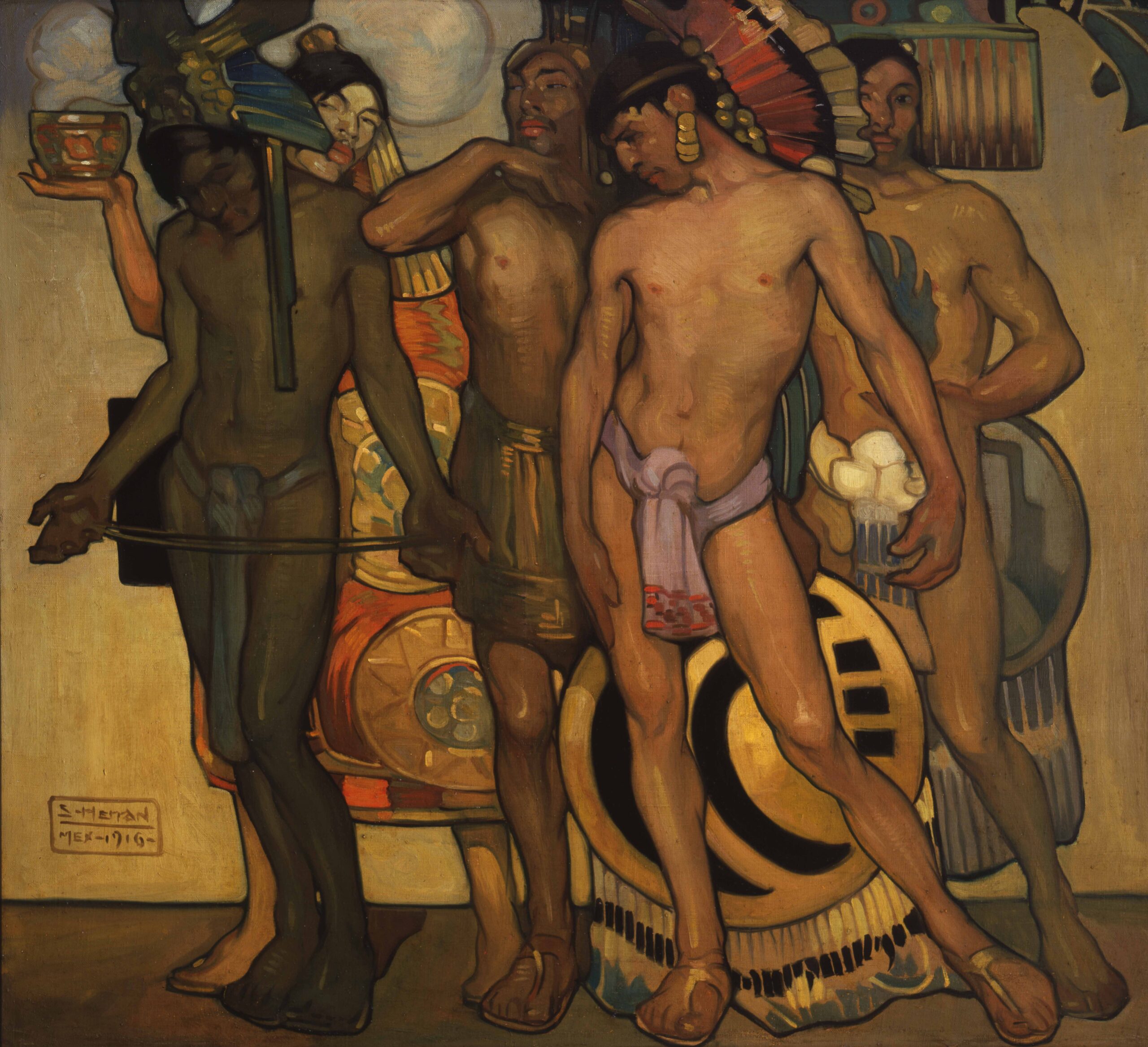
Saturnino Herrán, "Nuestros dioses antiguos," 1916, Oil on canvas, 101 x 112 cm, Colección Andrés Blaisten, México.
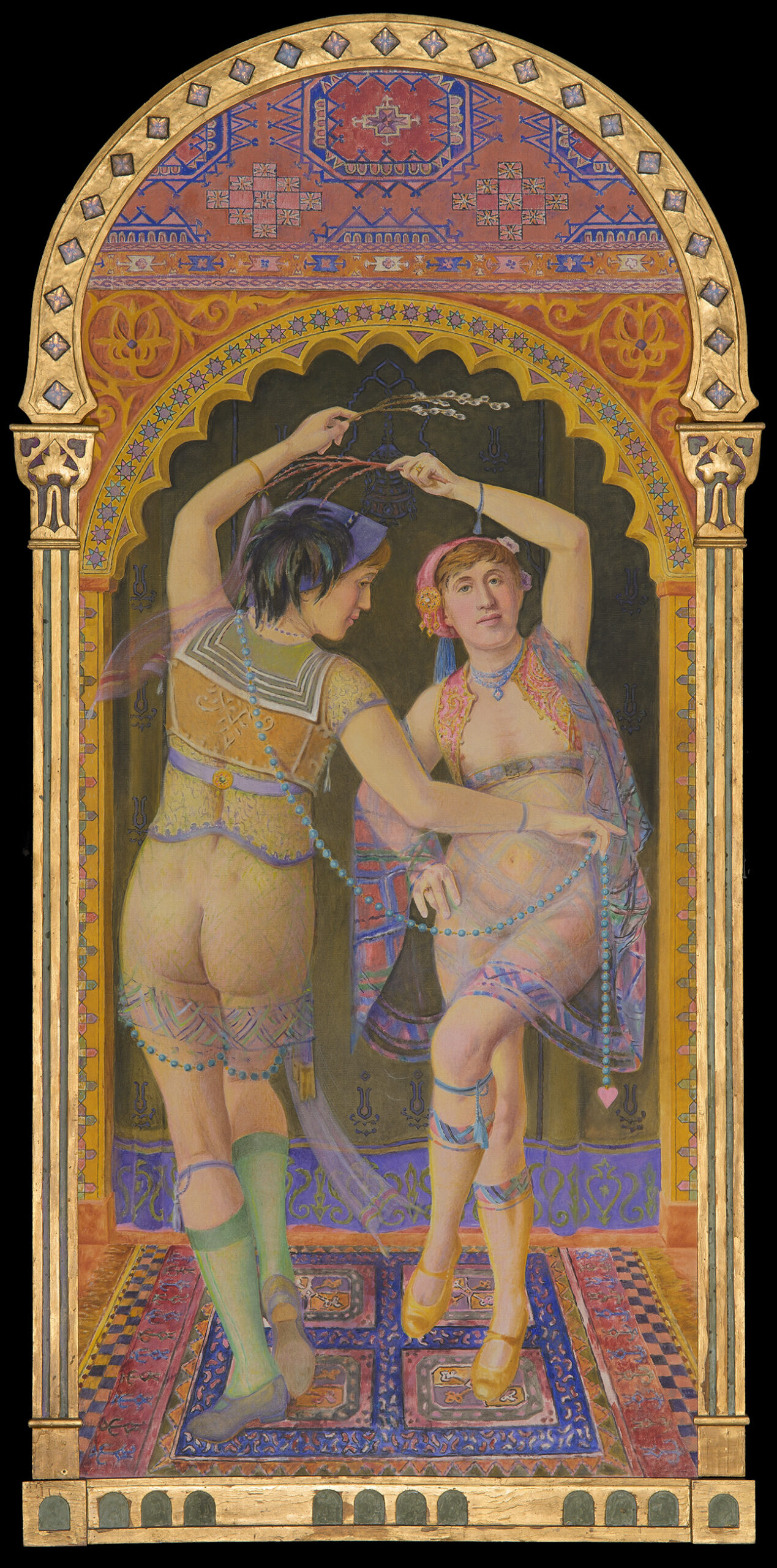
Elisàr von Kupffer, "La danza," 1918, Oil on canvas with painted frame, 197 x 99 cm (framed). © Municipality of Minusio - Centro Elisarion; Claudio Berger – photographer.
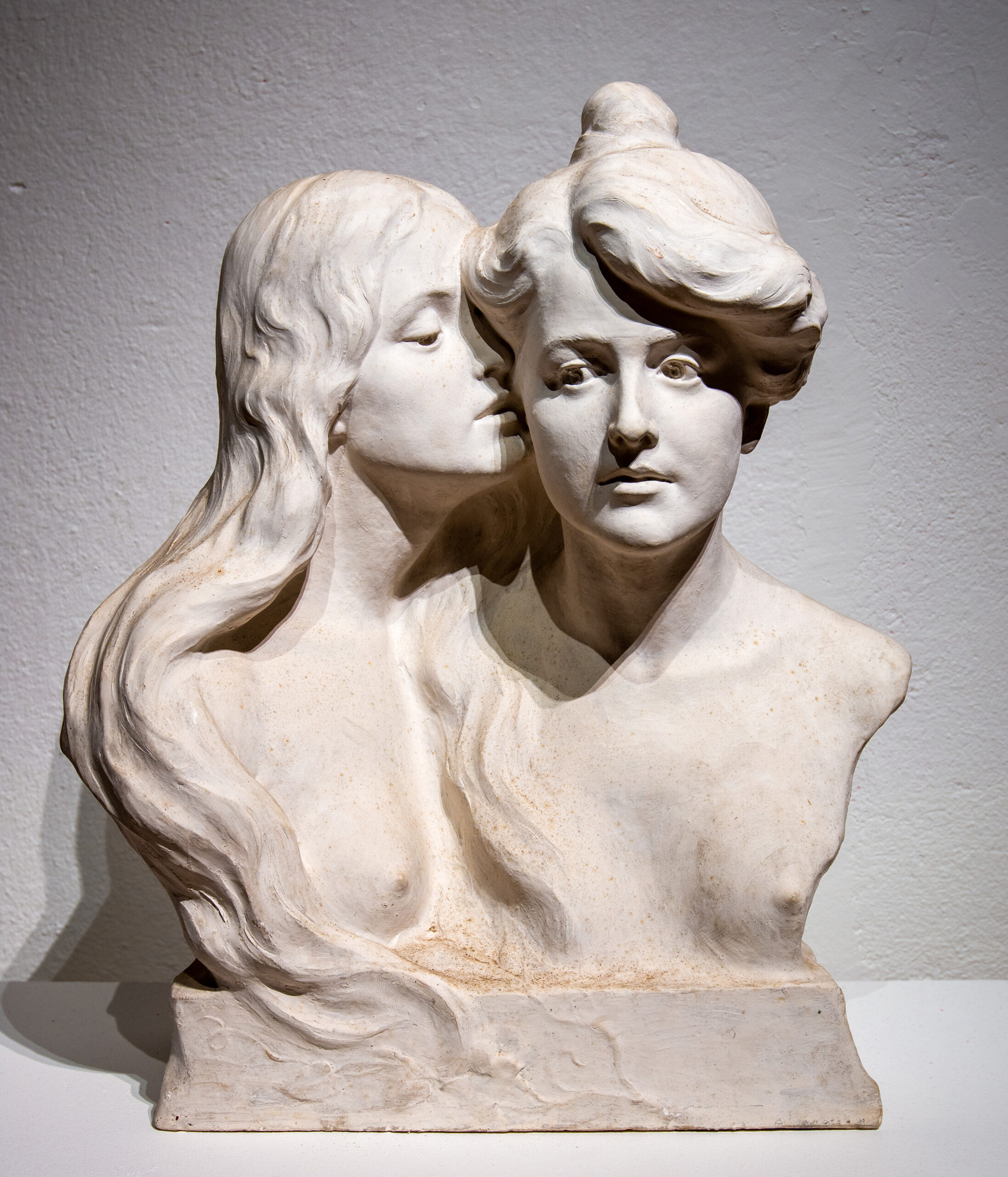
Ida Matton, "La Confidence (The Secret)," 1902, Plaster, 65 x 56 cm, Photo: Joel Bergroth / Hälsinglands Museum.
The First Homosexuals: The Birth of a New Identity, 1869-1939 explores a sea change in how society regarded homosexuality in the wake of the coining of the term “homosexual” in 1869. Before this watershed moment, same-sex desire marked something you did, not necessarily something you were. The First Homosexuals examines how, for the first time, homosexuals were cleaved from the rest of the population and given an identity which turned on their sexuality. Since the invention of the “homosexual,” sexuality has become totalizing, determining who you are at your core. A little over two years ago while still in the midst of the global pandemic, Wrightwood 659 offered a taste of this upcoming exhibition’s approach and scope in a small preview entitled The First Homosexuals: Global Depictions of a New Identity, 1869-1930.
The exhibition is unprecedented with more than 300 works by more than 125 artists from 40 countries, on loan from over 100 museums and private collections across the world, including the Musée d’ Orsay, The Tate, The Courtauld, The Metropolitan Museum of Art, Kunsthaus Zürich, National Museum of Denmark, Fukuoka Asian Art Museum, Pinacoteca de São Paulo, Museo Gregorio Prieto, and the Kinsey Institute for Research in Sex, Gender, and Reproduction, among others. A number of works are national treasures which have never before been allowed to travel outside their countries.
Because images were capable of representing nuances for which there was literally no language, this innovative exhibition is able to describe one of the great ironies of the moment: while language was constricted to only two options—hetero- or homosexuality—art picked up the slack and came to represent an enormous range of identities, sexualities, and genders. The massive research program underpinning the exhibition has underscored how the advent of the “homosexual” followed the same route as colonial conquest, with the same destructive consequences. Because homosexuality signified sex between people of the same gender, it implicated not only sexuality but gender as well. Indeed, early definitions of sexual difference often turned on gender as much as sexuality, such as having a soul of one gender in a body of the opposite gender. Throughout the early history of the homosexual, as this exhibition demonstrates, same-sex desire and gender identity were twinned to the point of being inseparable; thus it is no surprise the rise of homosexual imagery also spurred the rise of non-binary or trans representation in its wake. Put otherwise, modern gay and trans identity were actually born together. It is our fervent hope this exhibition will aid in the reclamation of gender to the story of sexual difference.
The project has also uncovered a number of firsts, including the earliest known representation of a homosexual couple in the history of European art, the first modern trans representations, and a number of other discoveries by celebrated artists never before exhibited in this context. More than a third of the works on view were produced by women and artists of color.
Content Advisory: The First Homosexuals contains sexually explicit content. For mature audiences only. Some portions of the exhibition contain sexual violence, violence against Indigenous peoples, and racist depictions.
The First Homosexuals: The Birth of a New Identity, 1869-1939 is presented by Alphawood Exhibitions.
Exhibition Curators
Jonathan D. Katz is an art historian, curator and queer activist. Professor of Practice in Art History and Gender, Sexuality and Women’s Studies at the University of Pennsylvania, Katz is a pioneering figure in the development of queer art history, as author of a number of books and articles, and curator of many exhibitions, including the first queer exhibition at the Smithsonian, which won multiple awards. The first full-time American academic to be tenured Queer Studies, Katz also founded Yale University’s queer studies program, founded the Queer Caucus for Art, co-founded Queer Nation and the GLBT Town Meeting, which won queer anti-discrimination statutes in Chicago and is President Emeritus of The Leslie Lohman Museum. Katz is curator of The First Homosexuals at Wrightwood 659 in Chicago, and author/editor of About Face: Stonewall, Revolt, and New Queer Art (Monacelli, 2024).
Johnny Willis, a non-binary art historian, began working on The First Homosexuals as a curatorial assistant and was quickly elevated to Associate Curator. An honors graduate of the University of Pennsylvania who earned their MA at the University of British Columbia, Willis is now serving as Curatorial Fellow at Wrightwood 659.
Educator Projects
Possum on Cross-Dressing and Gender Performance
Emily on Neoclassicism and Sexuality
Shane on Queer Codes: Fauns and Satyrs
Taylor on the Harlem Renaissance
Ese on Florence Wyle and Frances Loring
Natalie on Photographic Portraiture
Rachel on Gerda Wegener’s Venus and Amor
Curator Chats
Join E-News
Please sign up to receive our weekly E-News, full of timely and insightful information about our exhibitions, artists, and programs.
Spring's Most Anticipated Exhibitions are on Sale
"Martin Wong: Chinatown USA"
"Dispossessions in the Americas"
"Statue of Athena" on long term view.