Educator Insight: Mary on Robert Joffrey's Astarte
Explosive embrace, searching, cataclysmic ecstasy… dissonance. The dance of a goddess and a mortal man… The Joffrey Ballet’s multimedia performance and film Astarte (1967) redefines freedom and challenges conventions of classical ballet, a shot in the dark for choreographer and founder Robert Joffrey, and dancers Trinette Singleton and Maximiliano Zomosa.(1) The ambiguity of Astarte is steeped in the sensual and pervasive psychedelic image of that time, and Joffrey’s personal trust in the performers through astute direction, dedication, and intuition.(2) Astarte frees the form of ballet from its neoclassical, bourgeoisie aesthetics towards the symbolic new directions of its time.
An immersive experience of this production may allow us to further investigate our judgments of pleasure and violence, and notice parallels of seduction– psychedelic enthrallment, sexual desire and physicality- the glamour of rock music. A power struggle is exhibited in the choreography of Astarte. Trinette is the goddess of fertility, war, and love. She is a young woman in a colorful painted unitard, who entrances a male audience member. Lured by her, Maximiliano rises, and without hesitation, files through the audience towards her until they meet. He strips down slowly and initiates an alluring graceful dance that showcases a shifting exchange of power and sexuality, choreographed by Robert Joffrey. A film montage (recorded by Gardner Compton) of the dancers is monumentally projected on stage as they engage in dance, paired with a light show, while the rock band Chrome Syrcus improvises in the pit. The multimedia scale of this projection allows the body to be freed– to become larger than life. A moment of violence and struggle is reached between the goddess and the man as he straddles her, pulls her head back, and forces a forbidden orgasmic kiss, represented by the lotus motif on her forehead. This unambiguous depiction of desire, violation, rage and ambivalence stunned audiences and critics. Eventually, she overcomes him, and the mortal male exists backstage as the stage itself shifts. A prerecorded film is then showcased. Birthed into the conscious, the mortal man is shown walking the streets, and dwelling in the seductive swells and lively underground clubs of New York. The debut of this experimental performance in 1967 earned a wide range of staggering reviews for the Joffrey Ballet, appearing on the cover of Time and Life magazines. (3)
Gerald Arpino, Joffrey, and the dancers of Joffrey Ballet would go on to choreograph and develop more radical and avant-garde performances that flushed out the foundation of Robert Joffrey’s enduring vision and legacy, leading to the great success, renowned multiplicity, and international respect of the Joffrey Ballet today.
Notes
- George Dorris. “The Choreography of Robert Joffrey: A Preliminary Checklist.” Dance Chronicle, vol. 12, no. 1, 1989, pp. 105–39. JSTOR, http://www.jstor.org/stable/1567709.
- The Joffrey Ballet. “Interview with Robert Joffrey from the Archives” December 24, 2020. https://www.youtube.com/watch?v=9ZGlB1Y0LRA
- Time. “Dance: The Great Leap Forward.” Time, March 15, 1968. https://time.com/archive/6631879/dance-the-great-leap-forward/.
Mary Amelia is an educator at Wrightwood 659 and a working artist engaging with theatre, film, nature, symbology, and theology. Her research emphasis at Wrightwood is in the symbolic new directions of dance exhibited in The Joffrey Ballet’s Astarte.
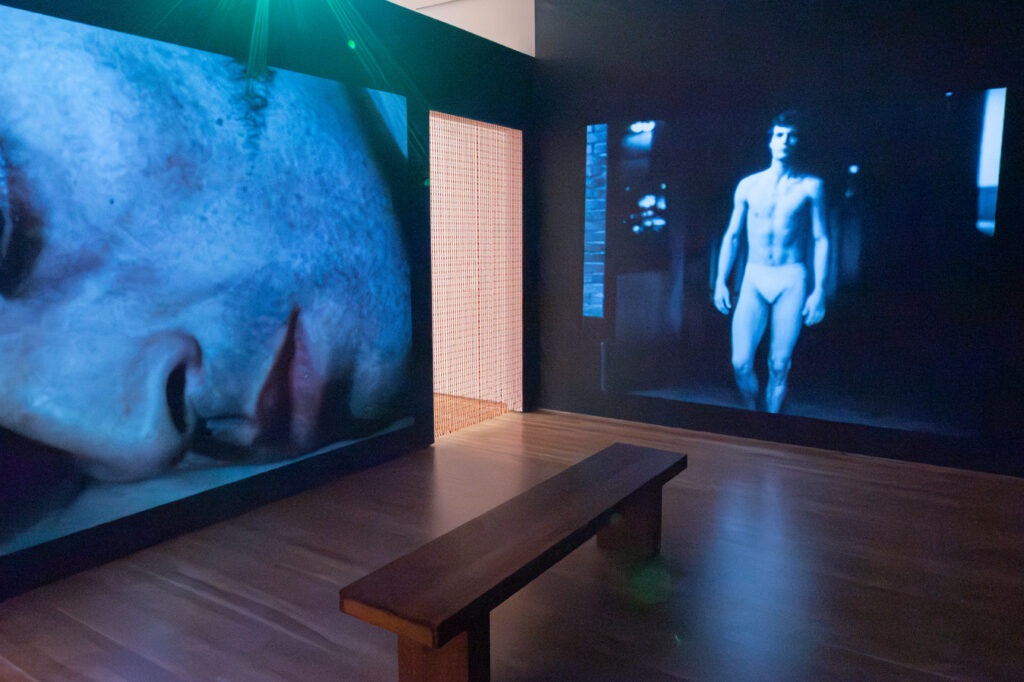
Installation views of "The Joffrey + Ballet in the U.S.," at Wrightwood 659, 2025. Photo courtesy of Daniel Eggert (@DesigningDan).
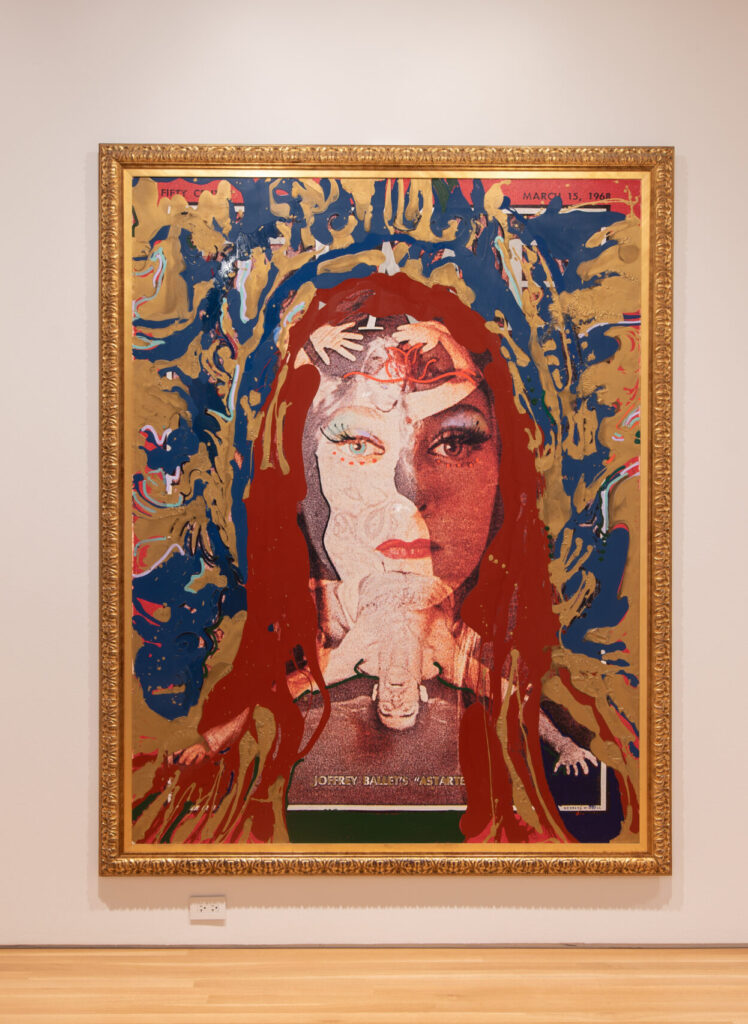
"Installation views of The Joffrey + Ballet in the U.S.," at Wrightwood 659, 2025. Photo courtesy of Daniel Eggert (@DesigningDan).
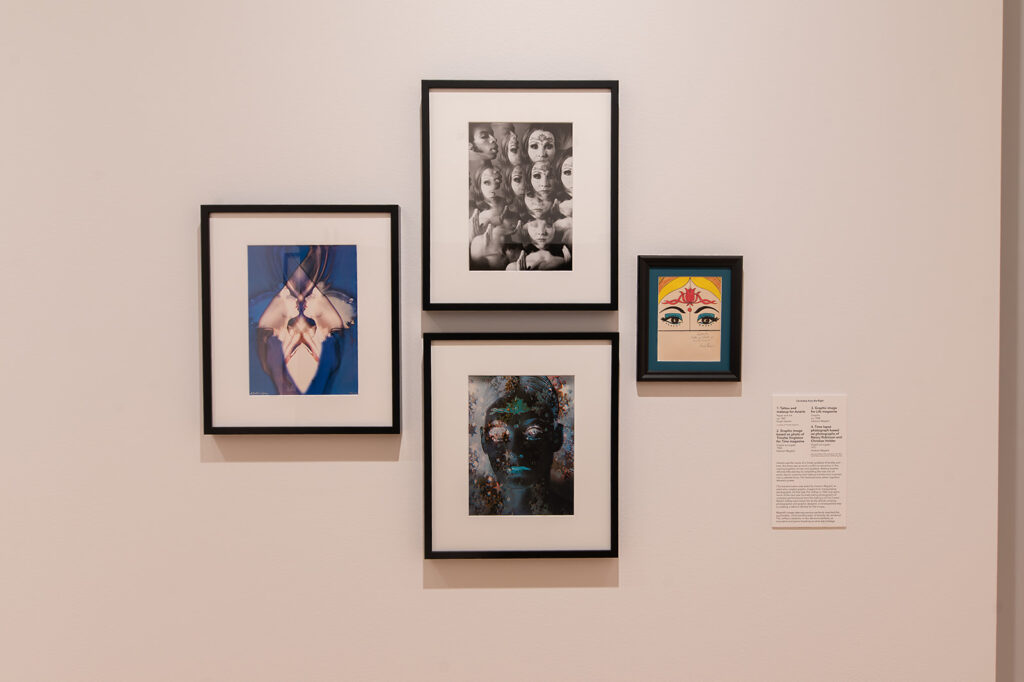
Installation view of "The Joffrey + Ballet in the U.S," at Wrightwood 659, 2025. Photo courtesy of Daniel Eggert (@DesigningDan).
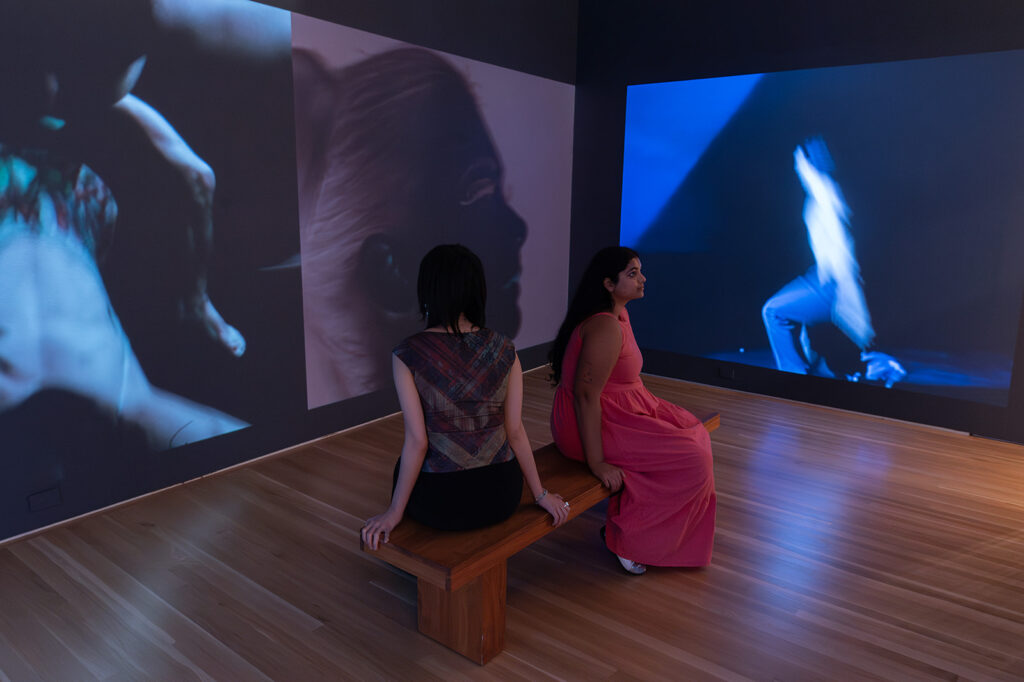
Installation views of "The Joffrey + Ballet in the U.S." with models, at Wrightwood 659, 2025. Photo courtesy of Daniel Eggert (@DesigningDan).